

How to Build a Mindful Wardrobe: 2026 Guide
Table of Contents
- Start With a Wardrobe Audit: What You Own and Why
- A Minimalist Capsule Wardrobe Guide for Real Life
- How to Practice Intentional Shopping Without Overthinking It
- Ethical Clothing Brands for Mindful Living: What to Look For
- Make Your Mindful Wardrobe Last: Care, Repair and Resale
- How to Build a Mindful Wardrobe That Fits Your Body and Your Budget
- Frequently Asked Questions
Last Updated: September 15, 2026
Start With a Wardrobe Audit: What You Own and Why
Building a mindful wardrobe begins with an honest inventory: what you own, what you actually wear, and what you're holding onto out of habit rather than need. Most people wear roughly a fifth of their closet on repeat (ellenmacarthurfoundation.org). This guide from CIK Premium Vintage Tees, hoodies, and hats walks through the full process, from the first audit to long-term garment care.

The goal of a wardrobe audit isn't minimalism for its own sake. It's clarity. You're identifying what earns its place, what needs repair, and what no longer fits your life. Set aside an afternoon, pull everything out, and sort into four piles: keep, repair, donate, and undecided. Be honest about the undecided pile. If you haven't worn something in a year, it belongs in donate or resale, not back on the hanger.
A wardrobe assessment also surfaces patterns. You may find you own eight black t-shirts and no layers for transitional weather. That's useful information for every purchase that follows.
The 3-3-3 Rule for a Mindful Wardrobe
The 3-3-3 rule is a quick filter for closet curation: identify 3 pieces you wear weekly, 3 you love but rarely reach for, and 3 you haven't touched in a year. The first group is your foundation. The second needs a styling solution, not a replacement. The third is your exit list.
Many people find this exercise reveals that their wardrobe problems aren't about quantity at all. They're about gaps. A mindful wardrobe fills gaps instead of adding duplicates.
A Minimalist Capsule Wardrobe Guide for Real Life
A capsule wardrobe is a small, coordinated collection of versatile pieces that mix and match across seasons. The point isn't a specific number of items. It's that every piece works with at least three others.
Start with your audit results. Your weekly-wear pile becomes the capsule's core. From there, add layers, one or two neutral bottoms, and pieces that bridge seasons. The Ellen MacArthur Foundation's work on textile waste explains why this approach matters: clothing production and disposal carry a significant environmental cost, and wearing what you own longer is one of the most effective responses.
| Capsule Layer | Typical Pieces | Purpose |
|---|---|---|
| Foundation | 5-7 tops you wear weekly | Daily rotation |
| Layers | 2-3 sweatshirts or hoodies | Seasonal transitions |
| Bottoms | 3-4 versatile options | Mix-and-match base |
| Outerwear | 1-2 pieces | Weather coverage |
| Accents | Hats, accessories | Personality and variety |
How to Practice Intentional Shopping Without Overthinking It
Intentional shopping means buying with a specific gap in mind, not a general mood. Before any purchase, ask three questions: Does this fill a gap I identified in my audit? Does it work with at least three pieces I already own? Will I still want it in two years?

If the answer to any of these is no, wait a week. Most impulse purchases lose their pull within days. A common mistake is treating intentional shopping as deprivation. It isn't. It's redirecting spend toward pieces you'll actually wear, which is how cost-per-wear stays low.
This is where quality over quantity pays off. A well-made piece worn twice a week for years costs far less per wear than a cheap item worn twice. The Federal Trade Commission's guidance on clothing care labels is worth knowing, since following care instructions is what keeps good garments in rotation.
Ethical Clothing Brands for Mindful Living: What to Look For
Ethical clothing brands for mindful living share a few verifiable traits: published information about where and how garments are made, materials disclosed plainly, and care guidance that helps items last. Look for specifics rather than slogans.
When evaluating any brand, including ours, ask:
- Is manufacturing location or partner information published?
- Are materials named specifically, not just "premium blend"?
- Does the brand publish care instructions that extend garment life?
- Is sizing information detailed enough to avoid returns?
- Does the brand's stated mission match what it actually sells?
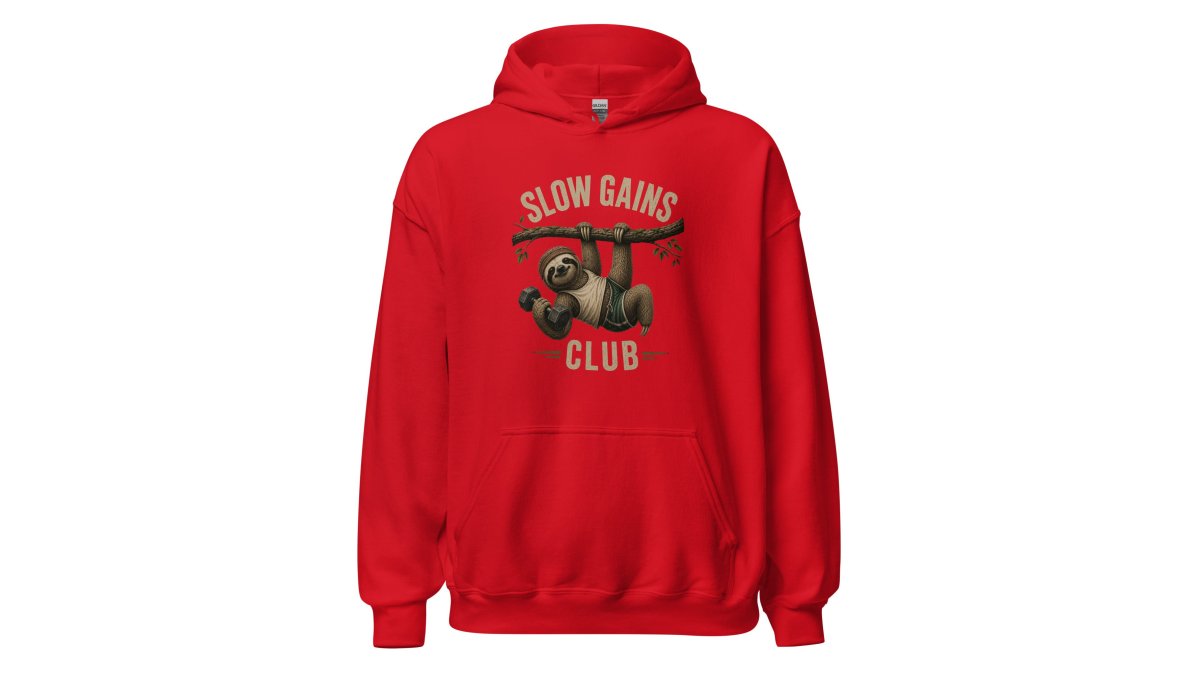
CIK Premium Vintage Tees, hoodies, and hats is built around a simple idea: apparel that reflects your values, made for everyday wear rather than one-off occasions. Our collection centers on kindness, gratitude, and quiet faith, with pieces like the Slow Gains Club tee designed for steady, repeated wear. That's the test any ethical purchase should pass: will you actually wear it, and often?

Make Your Mindful Wardrobe Last: Care, Repair and Resale
Garment longevity is the least glamorous part of a mindful wardrobe and the most important. The single highest-leverage habit is washing less often. Most cotton tees and sweatshirts don't need a wash after one wear, airing them out overnight on a chair or hook resets them for another day. When you do wash, use cold water on a normal cycle and air-dry flat or on a line. Heat is what breaks down cotton fibers, fades dye, and shrinks knits, so the dryer is the most expensive appliance in your home for the clothes you care about.
A Basic Repair Kit That Pays for Itself
You don't need to be a sewer to extend a garment's life. A starter kit costs roughly the price of one fast-fashion top and handles most everyday failures:
Upcycling Before You Discard
Resale and Donation: The Last Stage
Seasonal Storage That Prevents Damage
Storing sweaters on wire hangers stretches the shoulders permanently. Fold knits flat, and your hoodies and sweatshirts will hold their shape for years longer.
A repair you do this week is a purchase you don't make next season. Keep the kit somewhere visible, a drawer near where you get dressed, so mending is a two-minute decision, not a project.
How to Build a Mindful Wardrobe That Fits Your Body and Your Budget
Cost-Per-Wear: The Only Price That Matters
Run the numbers on two scenarios:
| Garment | Price | Wears per year | Years worn | Total wears | Cost per wear |
|---|---|---|---|---|---|
| Impulse top | $20 | 2 | 1 | 2 | $10.00 |
| Well-made tee | $35 | 50 | 3 | 150 | $0.23 |
| Everyday hoodie | $38 | 80 | 4 | 320 | $0.12 |
A Budget Framework for Transitioning Without a Spending Spree
Body Neutrality and Changing Bodies
A Seasonal Transition System You Can Repeat
A mindful wardrobe isn't a smaller wardrobe, it's a wardrobe where every piece earns its place through fit, frequency of wear, and the ability to survive a repair. Cost-per-wear is the scoreboard, and the seasonal review is how you keep score.
Frequently Asked Questions
What is the 3-3-3 rule for a mindful wardrobe?
The 3-3-3 rule is a simple way to reset your closet without a full overhaul: pick three items to keep, three to repair or clean, and three to donate or sell. It works because it turns a vague goal into a 15-minute task you can repeat weekly. Over a few months, that small habit clears the items you never reach for and makes the pieces you love easier to find. It pairs well with a wardrobe audit and a capsule plan.
Is it cheaper to buy or build a wardrobe?
Building usually costs less over time. A $27 tee worn twice a week for two years works out to roughly 26 cents per wear, while a $12 fast-fashion top worn five times costs about $2.40 per wear. The catch is patience: building means buying a few quality pieces at a time instead of a full seasonal haul. Track cost-per-wear for a month and the math tends to make the decision for you.
What is the 5-4-3-2-1 method for organizing clothes?
The 5-4-3-2-1 method is a packing and rotation framework: five tops, four bottoms, three dresses or layers, two pairs of shoes and one accessory. It is not a rule for everything you own, it is a way to build a two-week outfit rotation that covers work, weekends and errands. Rotating a small set also shows you which pieces you actually reach for, which makes future intentional shopping decisions easier.
How does a mindful wardrobe differ from a capsule wardrobe?
A capsule wardrobe is a specific number of pieces, often 30 to 40, chosen for a season. A mindful wardrobe is the thinking behind it: buying less, choosing pieces that match your values and keeping them longer. You can have a mindful wardrobe of 80 items if each one gets worn and cared for. The minimalist capsule wardrobe guide is a tool; the mindset is what makes it stick.
How do I start decluttering my closet with a mindful approach?
Start with a wardrobe audit: pull everything out, try each piece on and sort into keep, repair, donate and unsure. Set the unsure pile aside for two weeks. If you did not reach for it, let it go. Then photograph your keep pile so you can see gaps before you shop. This is how to practice intentional shopping from the inside out, and it stops the buy-donate-buy cycle.
What are the benefits of choosing sustainable and ethical apparel?
Sustainable and ethical apparel tends to last longer, which lowers your cost-per-wear and reduces textile waste. It also lets you support brands whose values match yours, whether that is fair labor, lower-impact materials or giving back. The trade-off is usually a higher upfront price and fewer options, so read the brand's sourcing page and check reviews for fit and wash durability before you commit.